
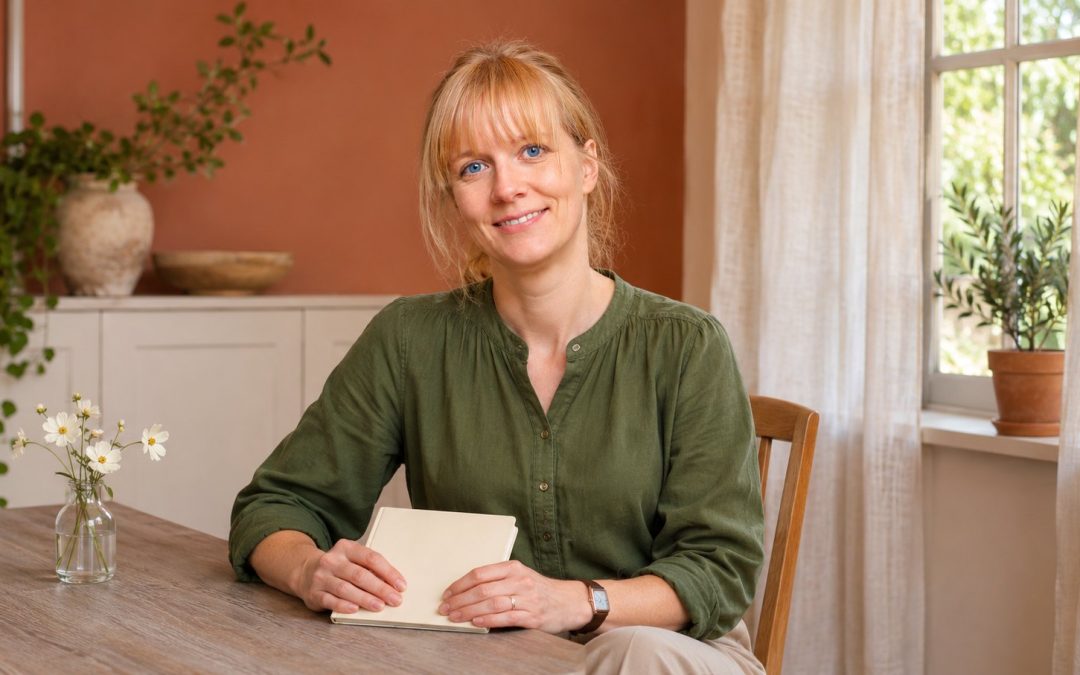
An engagement can bring excitement, questions and plenty of other people’s expectations. You can choose the pace and the kind of celebration that fit your relationship.
Before a long wedding checklist takes over, make room for a few conversations about privacy, priorities and the life you want to share. Start with what feels useful now; you can return to the rest later.
On this page
- Choose a pace you can both enjoy
- Decide who to tell and how much to share
- Choose a celebration that fits you
- Discuss a few wedding priorities before the details
- Talk about money and decision-making
- Discuss the life you are planning together
- Set expectations with family, friends and a wedding party
- Keep making room for your relationship
Choose a pace you can both enjoy
You can take time to enjoy being engaged before making wedding decisions. Ask, “What would feel good this week, and what can wait?” An engagement does not require an immediate party, announcement or booking.
If one person is excited to plan and the other feels overwhelmed, agree on a small first step, such as setting aside half an hour to talk at the weekend. Make room to discuss different feelings without turning speed into a measure of commitment.
Decide who to tell and how much to share
Talk about which people you want to hear the news from you, how to contact them and what you want to keep private. A call, message, visit or quiet conversation can all be appropriate. Consider relationships, distance, accessibility and safety.
Social media is optional. Agree before posting another person’s photo, personal details or wedding plans. You do not owe everyone a ring photograph, a public explanation or immediate access to the occasion.
Choose a celebration that fits you
A favourite meal, a walk, a small gathering or some time alone together may be enough. Ask what each of you would enjoy and what feels affordable and manageable.
If friends or relatives offer to organize something, discuss the guest list, timing and expectations before agreeing. You can appreciate their enthusiasm and still want a smaller celebration or no event at all.

Discuss a few wedding priorities before the details
Begin with the kind of occasion you each want. Talk about approximate guest numbers, location, timing, accessibility, faith or cultural traditions and the amount of planning you want to take on.
Choose a few priorities together. For example: “We want our closest people there, a place everyone can access and a day that leaves us time to talk.” You can save ideas in a notebook or shared folder without committing to a theme or copying someone else’s wedding.
Talk about money and decision-making
Discuss what feels manageable for the celebration alongside existing living costs and responsibilities. If someone offers financial help, clarify what they are offering and whether they expect a say in decisions. Both partners should understand and freely agree to commitments made in their names.
Everyday money deserves a separate conversation: income, regular costs, debts, saving priorities and how you want to make decisions. You can explore different arrangements without assuming that engagement requires combining every account. Get qualified advice for legal or financial questions specific to your situation.
Discuss the life you are planning together
Make time for ordinary questions about housing, work, caring responsibilities, children if relevant, household tasks, personal space and time with friends. Ask how decisions and responsibilities will be shared, including the planning work that can otherwise become one person’s job.
You do not need identical preferences about everything. Pay attention to whether both of you can ask questions, disagree and make realistic agreements. “We will work it out later” may be enough for a small detail; important differences deserve time and an honest discussion.
Set expectations with family, friends and a wedding party
Decide together which decisions belong to you and where you welcome help. You can say, “We are keeping the gathering small,” or, “We’ll share the date once we have decided.” A family tradition can be meaningful while still being open to discussion.
A wedding party is optional. If you invite people to take a role, explain the time, costs and responsibilities you have in mind, and make it easy to decline. Avoid treating someone’s budget, availability or enthusiasm for a particular event as a test of their love.
Keep making room for your relationship
Have conversations and spend time together that do not revolve around the wedding. Agree how to pause planning when it becomes tiring, and how to raise concerns before resentment builds.
If you want premarital counselling or other support, discuss your goals and ask a qualified provider about their approach, credentials and costs. It cannot guarantee a particular future. You can also slow down or reconsider plans if important concerns emerge; engagement leaves both people free to choose.

Read the infographic in text
Before you book the wedding
Discuss the decisions that outlast the celebration.
- Choose a pace together Decide what you want to enjoy now and what can wait.
- Compare two priorities each Name what matters most about the celebration and set a realistic spending limit.
- Discuss daily life Talk through household work, money, family plans and how you will make decisions.
- Set boundaries around advice Agree on what to share and how to answer requests from family and friends.
Pick one conversation for this week and choose when to revisit it.